Nonfiction
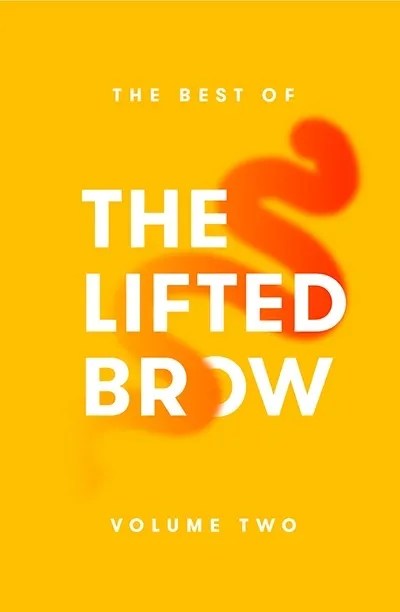
The Right Kind of Blood
Publication: The Best of the Lifted Brow II (Brow Books)
Edited by Emma Jones, The Right Kind of Blood is a longform essay . The piece led to a grant from ArtsACT and a series of published works listed below.
‘The Right Kind of Blood’ by Rosanna Stevens is an incisive essay on how we speak about menstruation.’ – Australian Book Review
‘Gutsy, refreshing and honest.’ – Writers Bloc
‘Rosanna Stevens’ personal essay ‘The Right Kind of Blood’ demonstrates how powerful narrative non-fiction can be.’ – Stella Charls, Readings
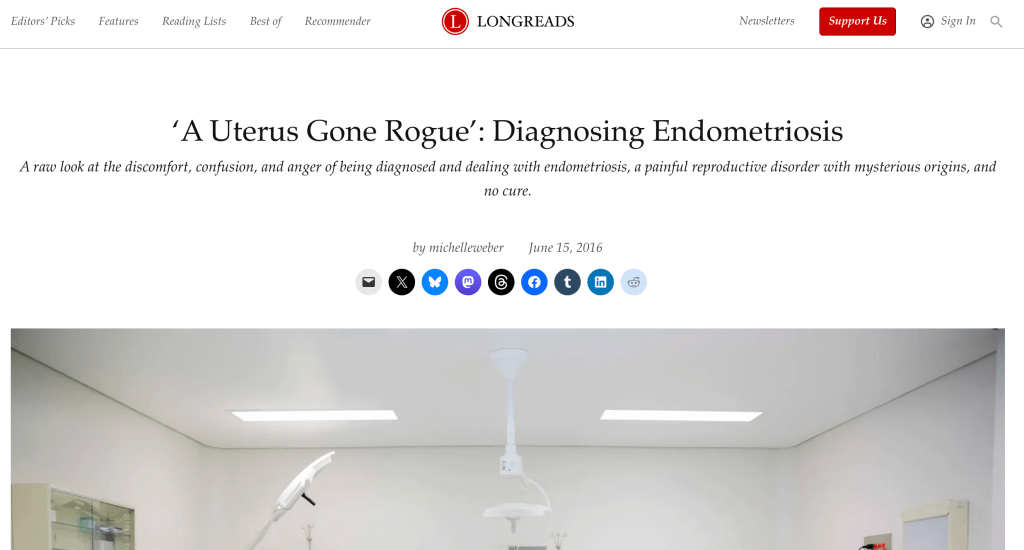
Publication: The Toast
“Nobody knows with certainty how endometriosis works.
Nobody knows what causes endometriosis either, there are only ideas: stress,
genetics, perhaps a hormonal imbalance. A woman of shamanic inclinations told me
it’s a product of an unidentified childhood trauma I need to reconcile. A friend who
also has endometriosis told me it’s caused by eating sugar. If you are between the
ages of 25 and 40 and you have a uterus, you are statistically more likely to have
endometriosis than die in a car accident, or find yourself audited by the tax
department.”
Edited by Nicole Chung for The Toast and featured on Longreads, this essay follows the process of a formal endometriosis diagnosis.
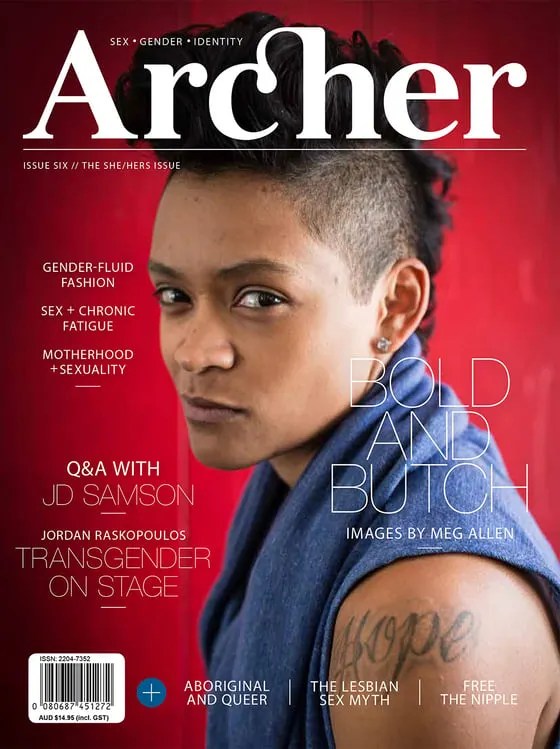
Publication: Archer Magazine
“A Google search confirms for us that both strawberry and rainbow kisses refer to menstrual oral sex, but some definitions of rainbow kiss add that the couple must kiss afterwards. Most definitions of strawberry kiss add that a pre-pubescent Australian pop star made a lot of money singing about missing her boy-crush’s strawberry kisses, because nothing tastes as sweet.”
Edited by Amy Middleton, and drawing on several interviews with queer menstruating people, the piece further interprets data presented by Autostraddle NSFW editor Ryan Yates regarding the findings of surveying over 8000s respondents to the publication’s sex survey.
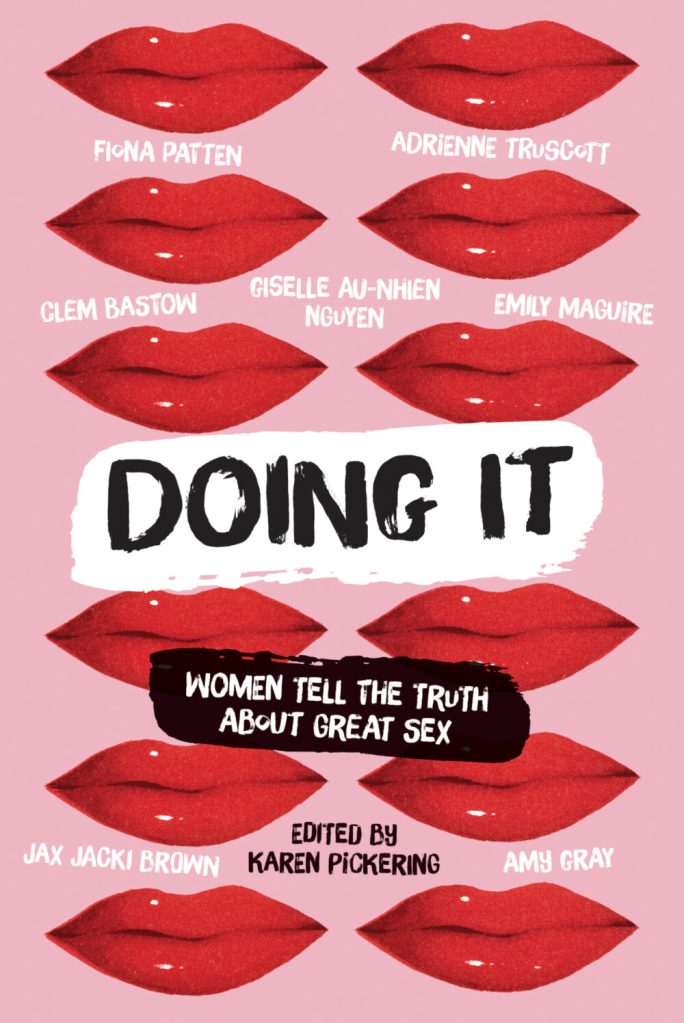
Book: Doing It
Publisher: UQP
“As a teenager I learnt about periods from tampon ads, which were phenomenally sexy. And I learnt about sex – whether I should do it, how to be sexy, who wanted sex and whether I should want sex – from almost anything that wasn’t a tampon ad.”
Commissioned by Karen Pickering, “It Gets Messy, Maybe It Should” walks readers through the cultural politics of menstrual sex in the west. The essay tours heightened blood porn, engages sex worker Trixie Fontaine in her analysis of the il/legalisation of menstruation in pornography, considers the findings of an arousal and ick-factor experiment conducted by a research team at the University of Groningen, and showcases the engaging work of Dr Breanna Fahs in considering the relationship between socialisation of menstruation, shame, rejection of menstrual disgust, and pleasure for menstruants.
Dear Music: Sounds We Write To
Publication: Emerging Writers’ Festival: An Insider’s Guide to Your Writing Journey (EWF Press)
“The incredible gift music gives us is one of both distraction and absorption. The music, often baroque harp repertoire, draws me from my work. Its melodic movement, yet often limited dynamics and range, allow my eyes to stare at the laptop screen and think without the pressure of the page.”
In this book chapter, I ran a flash poll of 50 Australian writers and asked them whether they wrote to music. Through their responses, I provide methods through which emerging writers might approach writing to particular types and styles of music.
The Sound of Reading: Translating the Written Word to Music
Publication: Going Down Swinging Issue #31
“If melody is the flesh of Akhenaten and Nefertiti, their skeletons – shaped long before their sweaty skins – comprise a tonal key, and their muscles (largely tense and quivering) are rhythm and phrasing.”
In the first-ever digital edition of Going Down Swinging, readers could listen to me translate Dorothy Porter’s poem “Nefertiti Rides Me” for the cello, then slice up my composition to discuss the semantic strategies I tried to use to convert the written word to music. This project was generously supported by Andrea Goldsmith and Fran Firth.
A McSweenification
Publication: Meanjin
“The truth is, the elegant products of this seemingly dysfunctional system aren’t some kind of magic. There’s nothing effortless about Eggers and his add-on empire. The unafraid, creative, invested and tireless staff foodie magazine Lucky Peach and the nationwide primary school-focused 826 chapters alike.”
Commissioned by Editor Zora Sanders, I wrote about trying to understand the managing editor of McSweeney’s Quarterly Concern’s surprise at the number of times Australian people in publishing have expressed interest in how McSweeney’s continues to exist as an independent publisher. My internship at McSweeney’s was supported by the CAL Creative Industries Career Fund.
Fiction
The Silences
Publication: The Sleeper’s Almanac No 7
“In the dark, even the paddocks, always blown with milk heads of grass, were blanketed moonish-blue. If the road was quiet enough, on the lip of dusk, the gloaming before the oesophegal blackness of a highway at night, I would drive without headlights, and my eyes would catch the pale stretches of land between the whip of black tree trunks.”
“Rosanna Stevens’ ‘The Silences’ handles its lyricism without strain.” – Owen Richardson, The Age
“Stevens elegantly sketches the throes of an inheritance both testamentary and personal.” – Nick Marland, Onya Magazine
The Pool Room
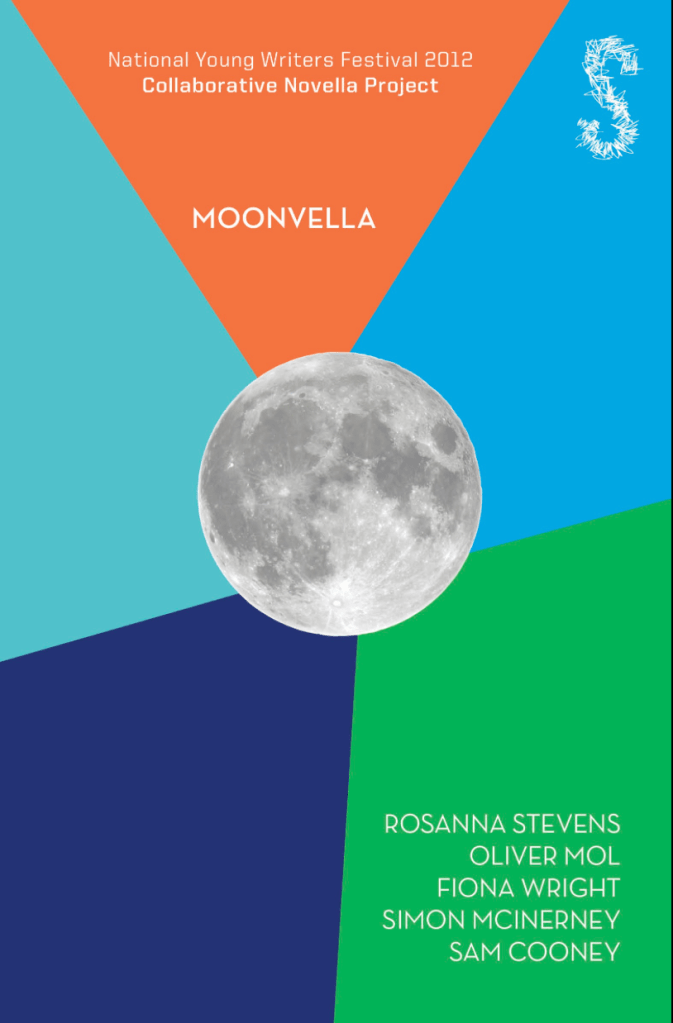
Publication: Seizure Collaborative Moonvella Project
“Just when the high tides had begun to teethe walkways around Sydney Harbour, and Taronga Zoo was contemplating moving all their animals to their Western Plains counterpart. The presenter wondered whether the entire Australian shoreline was experiencing an equal rise. I called in and told them that the water had crept up our coastal embankment and at high tide it had begun to slip under the back door. I said we were using salt and sand residue on the pool table legs to find out how high the water had been the night before. The presenter laughed, I laughed, listeners, I imagined, tried to laugh. For the year after, they’d call me sometimes and I’d relay the progression from an old t-shirt and underpants, kicking around the pool-room, sand in my thongs.”
Edited by Dr Alice Grundy, at National Young Writers’ Festival five writers each produced a story over the course of the weekend. Our parameters were: to write a piece of 1500 words, set in Australia in 2050. A moon base has just opened, robots are commonplace and the last newspaper has finally closed. This was my contribution to the collection.”
 Ro Stevens